


The Complete Beginner's Guide to Clear Umbrellas: Why and When to Use Them
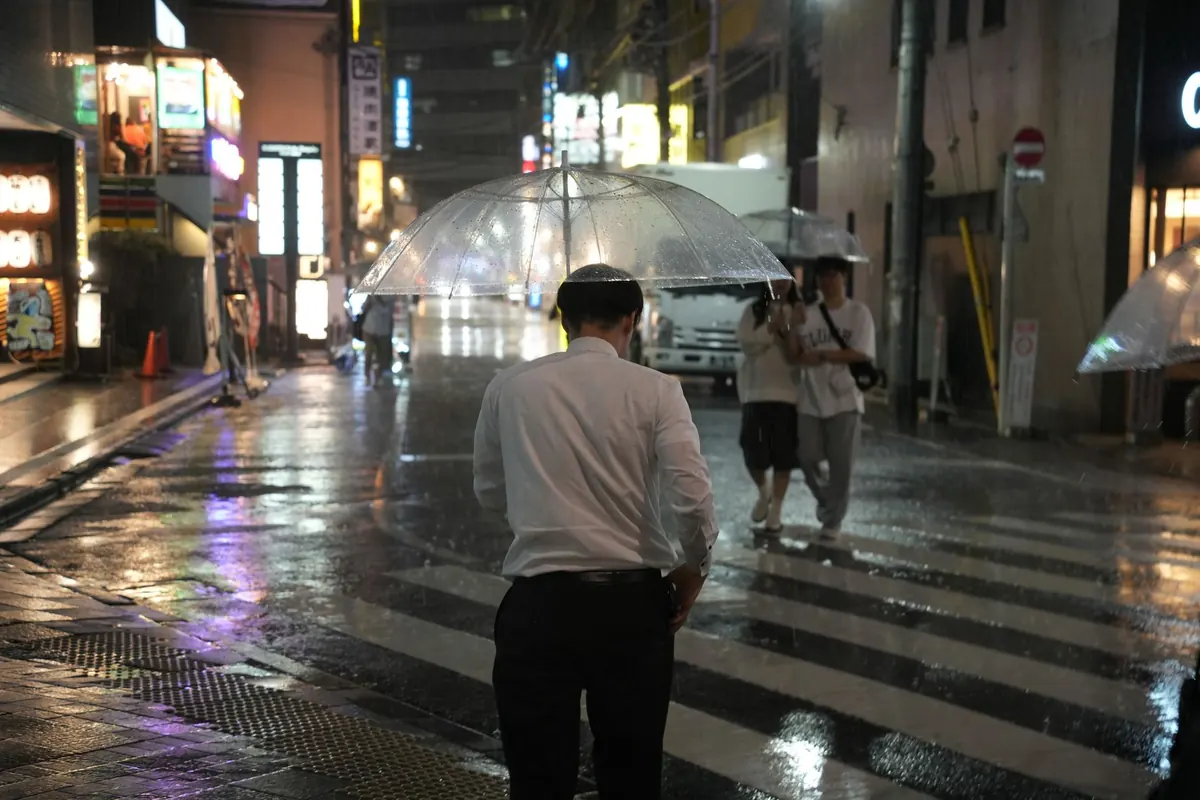
A clear umbrella seems like a novelty until you spend a rainy afternoon walking behind one. You can see the person's shoulders, their bag, the pavement ahead of them, the traffic light turning red — and they can see you. That single difference changes how the umbrella feels in use. It is the reason event planners stock them by the box, and the reason a plain transparent dome can look surprisingly elegant against a grey street. It is also the reason a cheap one frustrates people within a month.
Here is what clear canopies are genuinely good at, where they fall short, and how to choose one you will still like next spring.
What "Clear Umbrella" Usually Means
Most transparent umbrellas use one of three plastics for the canopy:
- PVC — the classic. Very transparent, quite stiff, and generally the most economical. It also creases, scratches and can yellow with age and sun exposure.
- EVA — softer and more flexible. It drapes rather than folds, resists creasing better, and feels less brittle in cold weather.
- POE — similar in feel to EVA, often chosen for a slightly clearer finish that holds up well over time.
The frame matters as much as the film. The best-known style is the dome — a rounded canopy, often with a straight or crook handle, sometimes called a bubble umbrella. There are also classic eight-panel clear canopies on standard frames and compact telescopic versions that fold down to fit a tote.
Visibility Is the Whole Point
When you carry an opaque umbrella, you create a small blind spot around your head. You tilt the canopy against the wind and suddenly you cannot see the kerb, the cyclist, or the person stepping out of a shop. A transparent canopy removes that blind spot. You keep your peripheral view, and other people can see your face, which matters more than it sounds.
Safer in crowds and at crossings
Think about a busy high street on a wet evening: pedestrians stepping off kerbs, delivery bikes weaving, cars turning. Being able to see through your own umbrella — and being seen through it by a driver — is a real, everyday advantage. Parents walking children to school in a crowd, dog walkers crossing roads at dusk, and anyone navigating a packed station entrance will notice the difference immediately.
Useful when you are working, not just walking
Event staff, marshals, photographers and tour guides often choose clear canopies because they can make eye contact and read a clipboard or phone while staying dry. If your job involves standing outside and talking to people, transparency is a practical tool rather than a fashion choice.
Wind: What Transparency Does and Doesn't Do
Clear film does not, by itself, make an umbrella windproof. Wind resistance comes from the frame — the number and flexibility of the ribs, the thickness of the shaft, whether the canopy has a vent, and how the umbrella is shaped. A dome shape has no sharp corners to catch a gust, and its ribs usually flex and spring back rather than snapping, which is why bubble umbrellas have a reputation for surviving breezy coastal walks.
What can go wrong: a large clear canopy acts like a sail. Pair that with thin ribs and a rattly plastic joint, and the first strong gust will invert it permanently. Two things help.
- Look for a vented or double-canopy design if you regularly walk in exposed places. The gap lets air pass through instead of lifting the umbrella.
- Check the ribs by hand. Fibreglass or flexible resin ribs bend without creasing. Stiff steel ribs in a cheap clear umbrella are the ones that fold backwards and never recover.
If you cycle, ride a scooter or use a pushchair, note that holding an umbrella while moving fast in traffic is unsafe — a transparent canopy does not change that. Use rain gear instead.
Style and the Occasions Where Clear Wins
Clear canopies photograph beautifully. They do not cast a coloured tint over faces, they let venue lighting and string lights through, and they add a soft, almost glassy texture to a wet-day picture. That is why they turn up at so many weddings and graduation shoots.
Where they shine:
- Weddings and outdoor ceremonies where guests are dressed up and the venue should still show through.
- Graduations, proms and formal photo sessions.
- Outdoor markets, festivals and stadium queues, where you want to watch the action rather than hide from it.
- City commuting on foot, especially through crowded streets and under awnings.
- Walking the dog after dark — you keep your sightlines and stay visible.
- Matching a minimal, neutral outfit. A clear dome reads as deliberate rather than loud.
The Trade-Offs Nobody Mentions
Clear umbrellas are not a straight upgrade over fabric ones. Be honest about the downsides before you buy:
- No privacy. Everyone can see what you are carrying, wearing and eating.
- No sun protection unless the canopy is specifically coated. A clear canopy will not shade you on a hot day.
- Plastic ages. Scratches, hard creases and yellowing all reduce clarity, and once the film goes cloudy it stays that way.
- Heat is the enemy. Leaving a PVC umbrella in a hot car or a sunny hallway can warp the canopy and stiffen the folds.
- Cold makes it brittle. In freezing weather, handle the canopy gently rather than forcing it open.
How to Choose One
- Open it in the shop if you can. Look through the canopy. Wavy distortion and cloudy patches will only get worse.
- Count the ribs. Eight is a reasonable minimum for a full-size canopy; fewer means more flapping.
- Test the runner. It should slide smoothly without a fight, and the canopy should lock open securely.
- Check the handle join. That connection takes the most stress when the wind grabs the canopy.
- Match the size to the job. A compact folding clear umbrella is fine for one person and a short walk; a dome covers the shoulders and a bag but takes up more room on a bus.
- Prefer EVA or POE if you want the canopy to survive being folded tightly and shoved into a bag every day.
Care and Storage That Keep the Canopy Clear
Clear plastic rewards a little attention. After a wet walk, open the umbrella fully at home and let it dry naturally — never dry it over a radiator, and never pack it away damp. Wipe marks with lukewarm water and a drop of mild washing-up liquid on a soft cloth; skip abrasive pads and alcohol-based cleaners, which cloud the surface. When it is dry, fold along the existing creases rather than inventing new ones, and store it loosely — hanging by the handle or standing open in a cupboard is better than compressing it into a tight sleeve for months.
When to Reach for the Clear One
Choose a clear umbrella when visibility matters, when you are walking through people rather than alone on a quiet lane, when the setting deserves to be seen, or when you simply want your face in the photo. Choose a fabric umbrella when you need shade, privacy, or maximum performance in serious wind and rain. Many people end up keeping both: a sturdy vented canopy for stormy commutes, and a clear dome by the door for everything else. Pick a good frame, treat the canopy kindly, and a clear umbrella will earn its place in the hallway for years.
Photo: Ramon Linares / Pexels