Local Angle: The Best Clear Umbrellas for Photographers in Rainy Cities
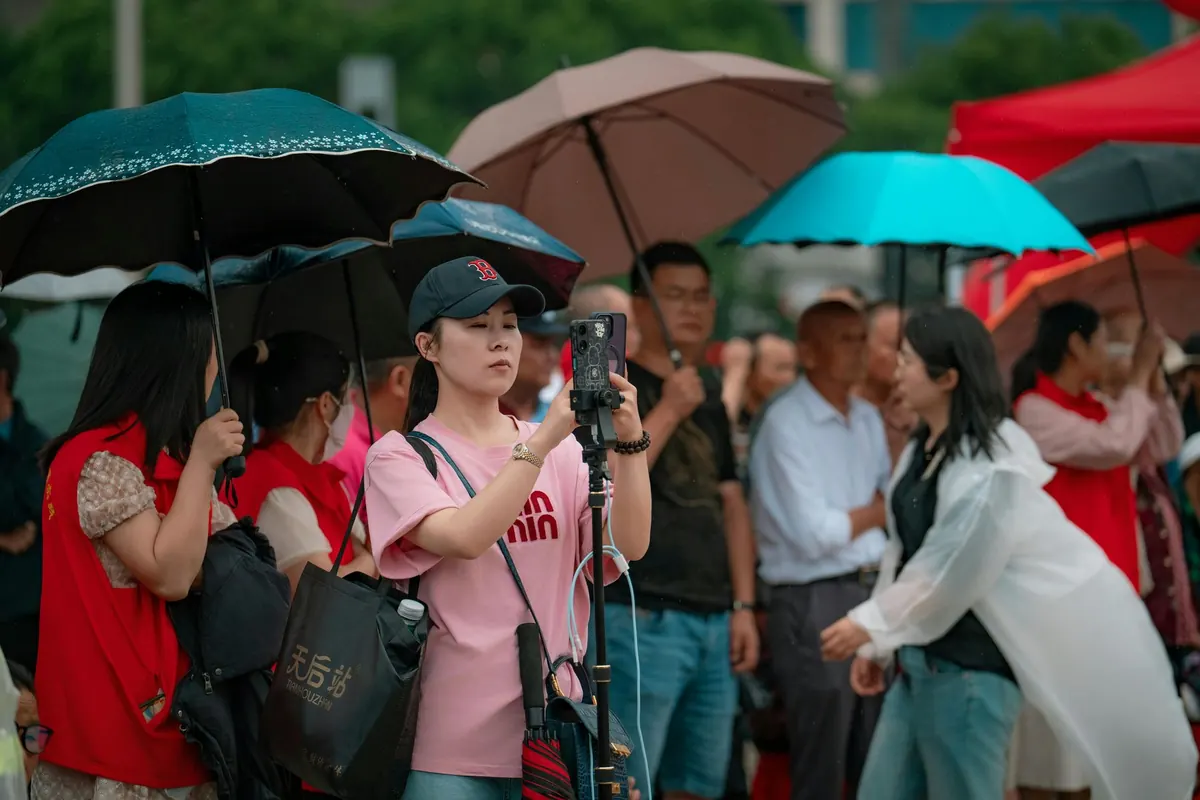
Rain turns a city into a set. Wet asphalt doubles every streetlight, bus windows fog at the corners, and the people who do go out walk faster and hold their shoulders differently. Photographers know all this, which is why so many of them carry a clear umbrella — not really to stay dry, but because it is the only rain cover that does not hide the scene you came for.
A clear canopy gives you shelter and an open view at the same time. You can hold it over a subject and still see their face. You can shoot through it, let it catch the light, or leave its rim just inside the frame. The catch is that plastic behaves like a curved mirror at the wrong angle, and a wet canopy collects droplets that compete with your subject. Most of the job is choosing the right umbrella and knowing how to angle it.
Why clear canopies suit urban shooting
Cities at night are lit from below, from signs, from shop windows and from headlights. A pale, translucent canopy picks that light up instead of blocking it. Put a subject under a clear dome in front of a neon sign and the plastic carries a wash of colour across the top of the frame. A black umbrella in the same spot reads as a heavy dark shape eating a third of the picture.
Clear canopies are also unobtrusive in tight places. Doorways, arcades, narrow crossings, the space under scaffolding: anywhere you and a subject have to stand close, a see-through umbrella lets you keep eye contact and compose. Subjects who hate being photographed often relax under one, because they can still watch the street instead of staring into a lens.
Which clear umbrella suits a camera bag
Not all clear umbrellas are built the same, and two features matter most: the shape of the canopy and the colour of the ribs.
- Bubble or dome canopies. Deep, wide and fully clear, often with a short shaft. They cover more of you and your camera, which is why they suit solo shooters working in wind-driven rain. The curve also produces a soft halo when you shoot into a backlight.
- Classic clear stick umbrellas. Lighter, cheaper and easier to fold into a bag. Their ribs cut visible lines across the frame if the canopy is in shot, so they are better used as cover than as a compositional element.
- Rib colour. White or frosted ribs disappear against an overcast sky. Black ribs show up in every frame. If you plan to shoot through the canopy, choose light ribs.
- Canopy material. Soft, flexible plastic canopies crack and cloud less than stiff ones, and they fold back without leaving permanent creases. Whatever you buy, check how the canopy joins the frame — that seam is where cheap umbrellas split first.
- Handle and shaft. A straight shaft with a plain grip is easier to tape to a light stand or clamp to a railing than a hooked handle, which snags on straps and pockets.
Buy one size up from what feels sensible. A canopy that only just covers your head will leave your lens in the rain every time you lean forward.
Handling reflections in a clear canopy
The plastic reflects whatever is bright and behind you. At some angles that is a photographer-shaped silhouette floating over your subject's face. Move the umbrella so its curve faces the sky or a dark facade instead, and the reflection turns into a soft gradient rather than a portrait of you.
Three fixes that work in the field
Change the angle, not the subject. Tilt the canopy a few degrees forward or back and watch the reflection shift in the viewfinder. Ten seconds of fiddling usually solves it.
Use a polarising filter. Rotating a polariser will calm glare on wet pavement, car glass and shopfronts, and it takes the edge off the canopy's sheen. It will not remove every specular highlight from plastic, so treat it as a help rather than a cure.
Shoot through the canopy on purpose. When the light source is behind your subject — a streetlamp, a lit window, a bus — shooting through the plastic turns the whole canopy into a soft glow and adds faint droplets to the frame. Focus on the subject and let the canopy stay out of focus. Watch for a ghost double of your subject near the top edge; if you see it, shift your position slightly.
Rain, droplets and the light they carry
Falling rain only shows up when something lights it. Put a bright sign or lamp behind your subject and rain becomes visible streaks; light it from the side and it turns into bright specks. Shutter speed decides what you get: a faster shutter freezes drops into dots, a slower one draws them into lines. Experiment on a short burst and check the back of the camera rather than guessing.
Droplets sitting on the canopy are a different matter. They scatter light, soften detail and bloom around highlights. That is lovely for atmosphere and terrible for a clean portrait. Tilt the canopy so water runs to one side, or accept the texture and lean into it. Fogging happens when cold plastic meets warm breath underneath; a dry microfibre cloth in your pocket fixes it in seconds. Never wipe a dry canopy with a dry cloth — grit drags and scratches the plastic, and scratches show in every backlit frame afterwards.
A short routine before you step outside
- Check the wind. Clear canopies catch it, and dome shapes shed it better than flat ones. On a gusty day, plan to shoot in doorways and under awnings.
- Wipe the canopy with a damp cloth and let it dry, so you start with a clean surface rather than yesterday's streaks.
- Decide who holds the umbrella. A helper standing behind and slightly to the side can keep the canopy over the subject while staying out of frame.
- Pack a rain cover for the camera, a spare cloth, and a bag that closes properly. Change lenses indoors or under cover.
- Pick two or three locations within a short walk. Rain shortens everyone's patience, including your subject's.
If you are carrying insured camera gear and plan to work in heavy weather, read the wording of your policy or ask your insurer directly whether water damage is covered. It takes two minutes and saves an unpleasant surprise.
Keeping the canopy clear between shoots
Rinse your umbrella with plain water after a wet day, shake it out and let it dry fully open. Folded wet plastic in a warm car is how canopies yellow and crease, and cloudy plastic looks dull in photos no matter how good the light is. Store it loosely in a sleeve, and wipe the frame joints occasionally so the mechanism keeps snapping open cleanly.
Look after the canopy and it will stay invisible in your pictures — which is exactly the point. The best clear umbrella is the one you forget you are holding, while the rain does its work on the city behind you.
Photo: jason hu / Pexels